The Power of Thriller
The easiest way to explain the fictional genre of a thriller is the ancient relative of horror that usually shows up to the family reunion with a few other subgenres. Very often similar to horror, thrillers elicit moods of anxiety and suspense to continually keep their viewers on the edge of their seats; another distinguished difference is the more focused storyline that doesn’t rely on the actual fear of the viewers but the fear for the characters. A director who encapsulated thriller consistently was non-other than Alfred Hitchcock; his thrillers usually were paired with the subgenres of horror and mystery. One of his works that featured the horror subgenre is the-now-classic- Psycho a film about a secretary, Marion Crane (Janet Leigh) who hides after embezzling money from her boss’ client in hopes of marrying and starting a new life. In hopes to avoid the police, she spends the night at the Bates motel where she meets Norman Bates (Anthony Perkins). Although this movie used to be controversial it has become a staple in film history for its style and horrifying twists; it also opened the door for horror as its own overarching genre.
Hitchcock’s Psycho and many of his other movies were the introductions to thriller films that paved the way to new stories with the suspense of unpredictable endings, psychotic humans, and a narrative that shakes the humans that watch it. Another creator who has emulated the fear and the suspense of a thriller would be Steven Spielberg directing Jaws a story about a police chief Martin Brody (Roy Scheider) as he tries to hunt and stop a shark who has a murderous appetite for human flesh; and producing the Poltergeist 1982, a story about a family as they discover the spiritual presence of a poltergeist at work in the house that eventually abducts the youngest daughter Carol Ann (Heather O'Rourke).
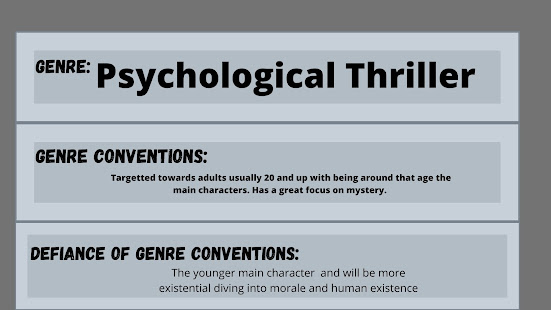
Thrillers use suspense and the knowledge of the forthcoming danger that spirals the story into exciting and thoughtful films that have the ability to move the hearts of mature audiences. Thrillers always deal with heavy subjects, gory scenes, unsettling concepts, and anything considered gut-wrenching in any way shape, or form. Because of the contents of this genre its aimed at older audiences encouraged by character’s ages and stereotypes that match with an older generation’s views.
Techniques & Conventions
 Suspense is the backbone of a thriller, it’s what keeps the audience engaged and hungry for more. This tool is used in almost every genre in one way or another, the use of suspense in other movies may only last for a short time but in thrillers, the whole film is strategically built to create suspense. A popular way to display suspense is through dramatic irony: which is the literary technique of something being done by a character that isn’t aware of something while the audience has full knowledge of. An example of this is the thriller-horror Jaws’ opening scene the audience gets to see the shark’s viewpoint and we hear the iconic theme of the shark coming to attack whereas the swimmer blissfully unaware continues to keep swimming. That whole scene creates this uncomfortable feeling of dread that makes you want to jump into the screen and say, “Hey! Watch out!” But because you can’t do that thrillers continue to drag that feeling every time you hear that theme and that anxiety felt for the characters every time they go near that body of water is the power of suspense. As torturous as that sounds the thriller genre is known it’s for its constant twists and turns, unlike a typical action movie, there is no guarantee that your favorite character is going to survive, live, or become the murderer themselves.
Marketing
Thrillers for a long time weren’t a normal genre, Hitchcock made history and the format that most thrillers choose to market themselves with. Because no one else had done something as thriller-like before Psycho he was able to advertise his stories in their own way: one of the ways he does this is with his own theatrical trailer. Hitchcock would personally address the audience in these trailers making themes and motifs he wants the audience to see in the movie. For the thriller-horror Birds, Hitchcock makes the theme of revenge from none other than the birds as he ironically praises them for humanity torturing them. The scene ends with the appearance of the main character Melanie Daniels (Tippi Hedren) running onto the set saying “Their coming.” Aside from his theatrical trailer the usual trailers for his movies centered around a light narrative of a story that is followed by scenes from the movie explaining the rest. Modern-day thriller trailers are more or less the same with basically the skeletal structure already provided by Hitchcock.
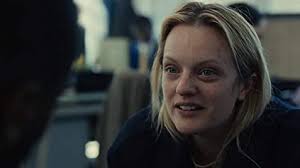 The audience for thrillers aims for an older middle-aged group because that's the only group that can legally be reached; some thrillers aren’t as vulgar and can pass for mature thirteen-year-olds. The majority of thrillers that target older, middle-aged, people with main characters that are around that age. This is shown in the R-rated Invisible Man where Cecilia Kass (Elizabeth Moss) is being terrorized by her sociopathic ex-boyfriend that has somehow become invisible, as she tries to prove her sanity to everyone around her. Although her age is never explicitly stated the audience can assume she is around middle-aged by her appearance and the R-rating that restricts younger viewers supports her connection to that group. Another way older audiences are targeted is by the use of stereotypes, more recently this has been frowned upon because of political correctness and the cliches that tire and annoy younger viewers. In the thriller-horror Ma, a bunch of teenagers befriends an older lady who calls herself Ma (Octavia Spencer) who aids them in their reckless endeavors only to discover she has a hidden agenda. This movie like many others targeted at older middle-aged people plays with the stereotypes of teenagers being completely reckless and actively doing illegal things rather than having a more realistic view of teenagers. Films targeted towards teenagers and young adults show less of this stereotype and more of the complex emotions that depict this age group more realistic.
Thriller
Thriller is a wonderful genre that I believe gets overshadowed by its much more popular branch: Horror. Suspense is a powerful and difficult tool to use in many different ways that haven’t been done before, even though it is easier to mirror one’s work to another it just has to be done in a way that makes it your own. I have hopes to maybe try my own at creating a suspenseful and tummy-turning script or piece of writing. I look forward to what other thrillers come up with.
Thrillers Mentioned and Not:
Psycho (1960)

Directed by: Alfred Hitchcock
Genre: Thriller/Horror
Synopsis: A film about a secretary, Marion Crane (Janet Leigh) who hides after embezzling money from her boss’ client in hopes of marrying and starting a new life. In hopes to avoid the police, she spends the night at the Bates motel where she meets Norman Bates (Anthony Perkins).
Jaws
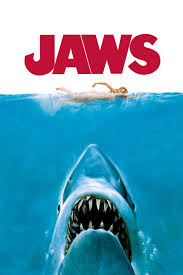
Directed by: Steven Spielberg
Genre: Thriller/Horror
Synopsis: A story about a police chief Martin Brody (Roy Scheider) as he tries to hunt and stop a shark who has a murderous appetite for human flesh
Poltergeist (1982)
![Amazon.com: Poltergeist (25th Anniversary Edition) [DVD] [1982]: Movies & TV](https://lh6.googleusercontent.com/yE57Qqju56I3lhIQsRF7OB9iEbj6Auqibg4hvp9Szlp6HS6cHUWyZYKS-9IfRixdSxGXxNquEXybQ9hgAuyS8LTfhruwkn-_Q8Q6b8FegTrKYaz0zf1__axJS6ZVn70-_GbArnYg)
Directed by: Tobe Hooper
Genre: Thriller/Horror
Synopsis: A story about a family as they discover the spiritual presence of a poltergeist at work in the house that eventually abducts the youngest daughter Carol Ann (Heather O'Rourke).
The Birds (1963)
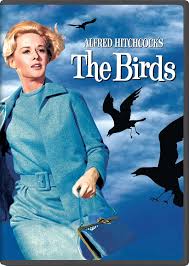
Directed by: Alfred Hitchcock
Genre: Thriller/Horror
Synopsis: Birds begin to attack humanity as if it were some kind of revenge.
The Invisible Man (2020)
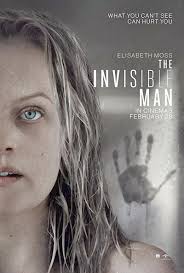
Directed by: Leigh Whannel
Genre: Thriller/Horror
Synopsis: Cecilia Kass (Elizabeth Moss) is being terrorized by her sociopathic ex-boyfriend that has somehow become invisible, as she tries to prove her sanity to everyone around her.
Ma(2019)

Directed by: Tate Taylor
Genre: Thriller/Psychological horror
Synopsis: A bunch of teenagers befriends an older lady who calls herself Ma (Octavia Spencer) who aids them in their reckless endeavors only to discover she has a hidden agenda.
Duel(1971)

Directed by: Steven Spielberg
Genre: Thriller/Action
Synopsis: David Mann (Dennis Weaver), on a cross country trip for work is targeted by an old oil tanker truck that just won’t leave him alone.
The Hunt(2020)
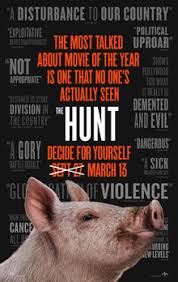
Directed by: Craig Zobel
Genre: Thriller/Action
Synopsis: An elitist group gathers 12 normal people be hunted in hunting game for sport but one of the hunted has different plans.:
Vertigo(1958)
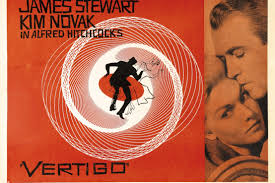
Directed by: Alfred Hitchcock
Genre: Thriller/Mystery
Synopsis: The story is about a pairing of a man who suffers from extreme heights, a woman with a dark desire to end herself, and the mystery that comes from their relationship.
Sources
https://www.scribd.com/document/331511836/Target-Audience
https://www.indiewire.com/feature/best-alfred-hitchcock-movies-films-ranked-184715/